Technology
CPU-native compute, tuned for RandomX and beyond
9Core's infrastructure is built around three things: a mining algorithm that rewards general-purpose CPUs, a chip family chosen for cache and efficiency, and solar power that keeps the whole system affordable to run.
RandomX
Why RandomX keeps CPU mining viable
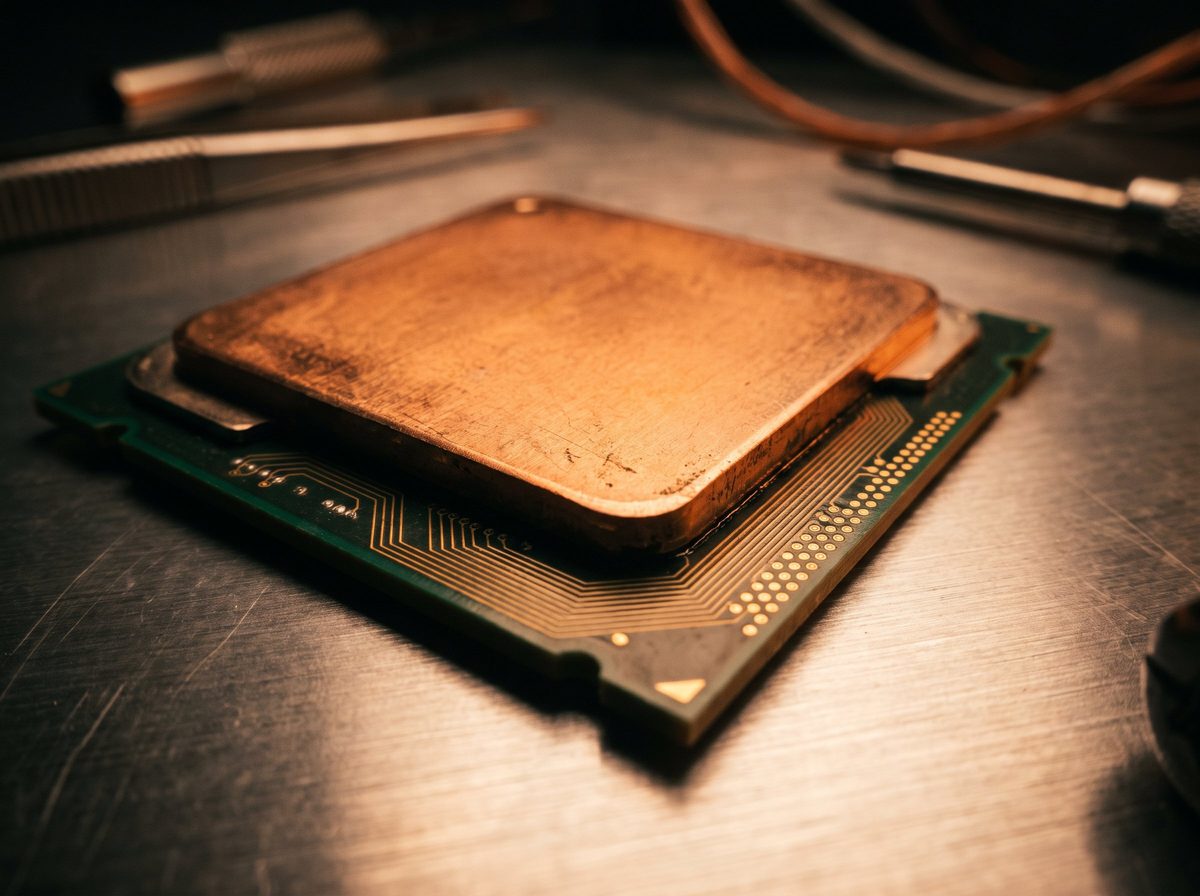
RandomX is Monero's proof-of-work algorithm, designed specifically to favor general-purpose CPUs over specialized ASIC hardware. That single design choice shapes almost everything about how 9Core is built.
ASIC resistance matters because it keeps mining decentralized. When an algorithm can be dominated by purpose-built hardware, mining power concentrates in the hands of whoever can afford that hardware. RandomX resists this by rewarding the kind of general-purpose compute that is already widely available: server and desktop CPUs.
That keeps CPU mining accessible and keeps the Monero network secure through a genuinely diverse base of miners, rather than a small number of industrial operators running identical machines.

Hardware lineage
From a 5800X tower cluster to a refined 6900HX architecture
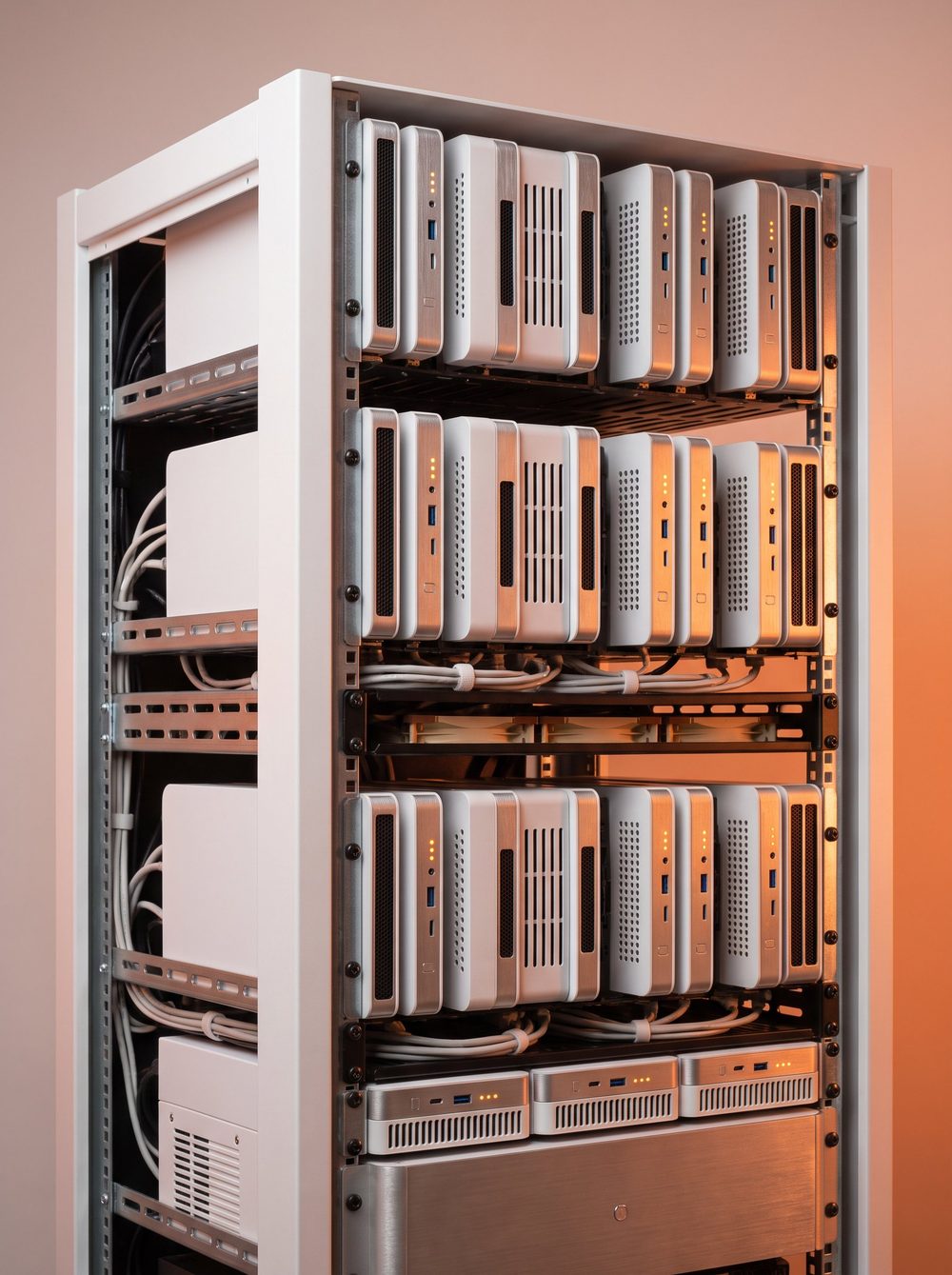
9Core's compute platform did not start where it is today. The earliest cluster ran on Ryzen 7 5800X desktop towers, a straightforward way to get RandomX-capable cores online.
That architecture evolved into a refined Ryzen 9 6900HX micro-PC design. The shift mattered: micro-PC form factors draw meaningfully less power per unit while delivering more hashrate, which improved both energy consumption and overall profitability at the same time, not a tradeoff between them.
High core counts, large L3 cache, and strong performance-per-watt made the Ryzen 9 class the obvious long-term choice, and that decision now anchors the current fleet.
Beyond mining
Distributed inference and high-thread workloads
The same clusters that mine Monero are capable of more than mining. High core-count Ryzen 9 hardware is well suited to distributed inference and other high-thread technical workloads, which is why 9Core's compute is positioned as a broader platform rather than a single-purpose mining fleet.
Solar-backed energy
Renewable power, predictable economics
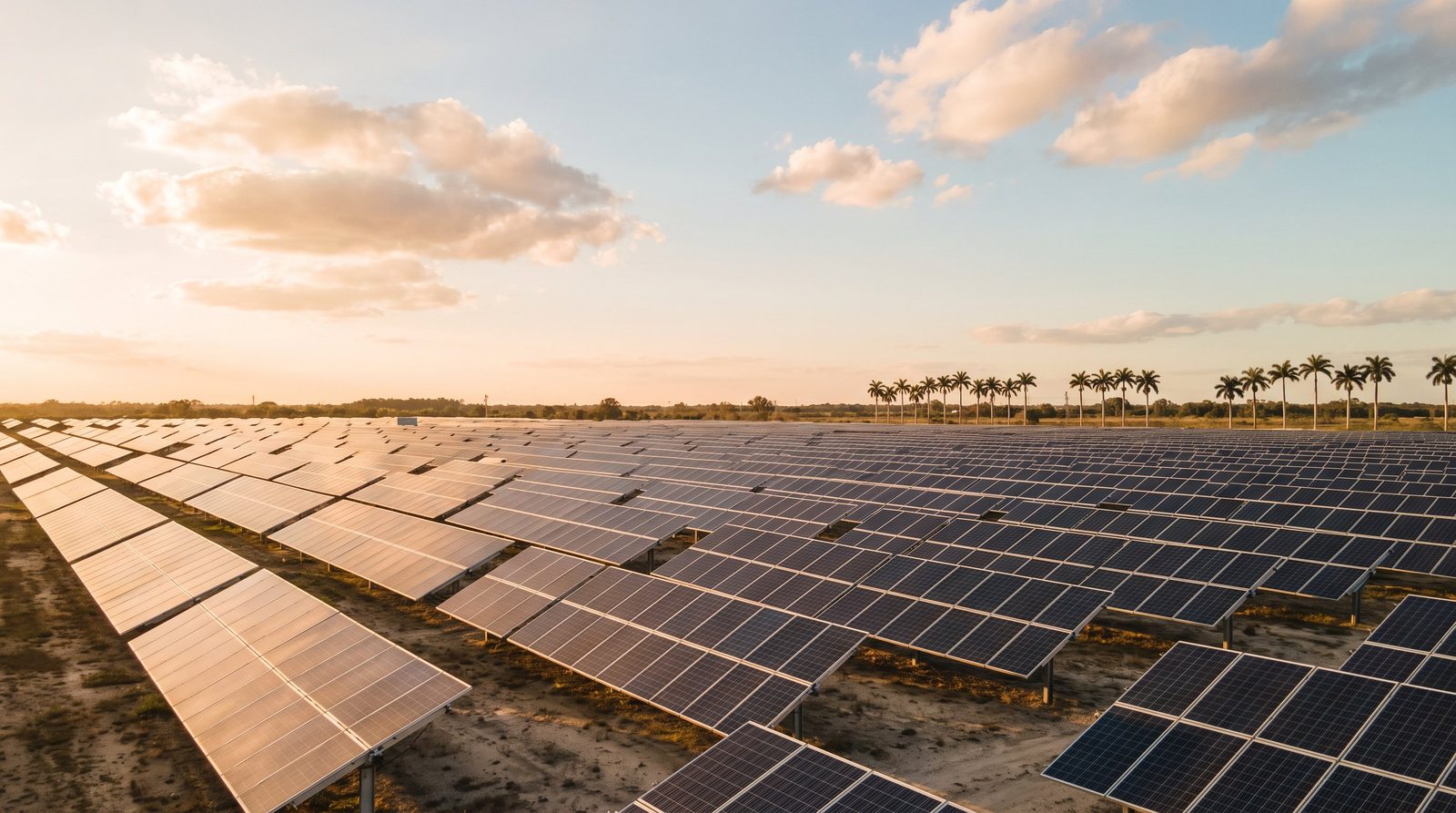
Energy is one of the largest recurring costs in any mining operation, and it is usually the least predictable one. Sourcing power from The Florida Sun changes that. Solar-backed energy gives 9Core long-term cost stability that is largely insulated from swings in wholesale energy markets.
That predictability feeds directly into margins, and it aligns with the environmental priorities that matter increasingly to investors and partners across the mining industry. Full solar and grid economics are covered on the Economics page.
See the economics →